Electromobility is fundamentally transforming the transportation landscape, offering a cleaner and more sustainable alternative to traditional combustion engines. As highlighted by Wikipedia and other platforms, it encompasses vehicles powered by electricity, significantly reducing carbon emissions. This article delves into the broad implications, benefits, challenges, and the future of electromobility.
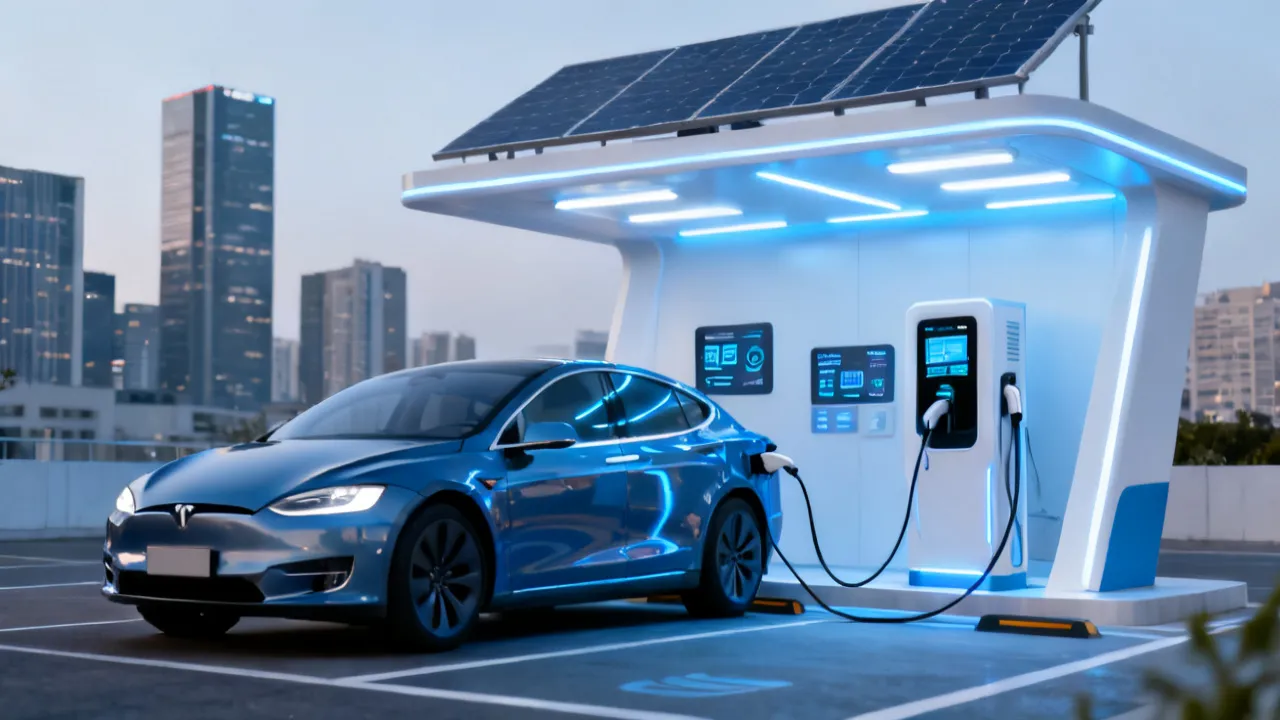
Electromobility, often highlighted in resources like Wikipedia, represents a paradigm shift in the transportation industry, embodying a future where vehicles run primarily on electricity rather than fossil fuels. It significantly reduces harmful emissions, contributing to environmental sustainability and helping to combat climate change. This transition not only plays a crucial role in addressing today's pressing environmental issues but also aligns with an increasing global demand for more sustainable living practices. As urban populations continue to swell and the effects of pollution become more apparent, the push towards electrification in transportation is not merely a trend but a necessary evolution in how we think about mobility.
At its heart, electromobility encompasses a variety of vehicles, including electric cars, buses, bikes, and scooters. Each is designed to operate with minimal atmospheric impact compared to their traditional counterparts. The integration of advanced battery technology underpins the efficiency and practicality of these vehicles, making longer travel distances feasible. Furthermore, these vehicles often employ regenerative braking systems that convert kinetic energy back into stored energy, enhancing overall energy efficiency. Beyond electric vehicles (EVs), electromobility also includes the infrastructure supporting these technologies, such as charging stations, energy management systems, and electric grids capable of integrating renewable energy sources.
Electromobility brings a plethora of benefits. Firstly, it helps reduce air pollution, leading to cleaner urban environments. Electric Vehicles (EVs) produce no tailpipe emissions, which means reduced greenhouse gases and fewer pollutants such as nitrogen oxides and particulates that harm air quality and public health. This reduction in air pollution is crucial as it directly correlates with lower rates of respiratory illnesses and improved overall health outcomes for city dwellers.
Electric vehicles are quieter, contributing to a decrease in noise pollution, which is becoming an increasing concern in urban areas. The transition to silent transportation options can lead to enhanced quality of life, making cities more pleasant and reducing stress levels associated with high noise pollution.
Another significant advantage is the lower running costs associated with electromobility compared to traditional vehicles. Electric vehicles can often be charged during off-peak hours when electricity tariffs are lower, and they tend to require less maintenance due to the simpler mechanics involved in electric drivetrains. Consequently, users benefit from good economic savings over time. Moreover, the broader adoption of electromobility accelerates innovation and job creation within the green technology sector. As businesses pivot to focus on electric vehicle technology, new job opportunities in engineering, manufacturing, and infrastructure development arise, fostering economic growth aligned with environmental responsibility.
Despite its potential, electromobility faces several challenges. The current inadequacy of charging infrastructure in numerous regions can hinder widespread adoption. Many areas still lack sufficient charging stations, making it difficult for potential EV owners to feel confident about the practicality of using a fully electric vehicle. This range anxiety—the fear of running out of battery power before reaching a destination—continues to be a significant barrier. The installation of fast-charging networks and increased public and private investments are essential to alleviate these concerns.
Additionally, the high upfront cost of electric vehicles remains a barrier for many consumers. Although the long-term savings may outweigh the initial expense, the financial hurdle can deter potential buyers, especially in economically challenged areas. To mitigate these costs, various governments are implementing incentive programs, tax credits, and rebates for EV buyers, making the transition more financially feasible for a broader audience.
The industry also grapples with the ethical sourcing of materials like lithium and cobalt, essential for battery production. Mining practices in some regions have raised concerns regarding human rights violations and environmental degradation. Moving forward, the development of sustainable supply chains and investment in battery recycling technologies could address these challenges, ensuring that electromobility is not only a cleaner alternative but also an ethically responsible one.
The future of electromobility is promising, driven by technological advancements and strengthening governmental policies. Improvements in battery technology will likely reduce costs and extend vehicle range, making electric vehicles more accessible to the general population. Innovations such as solid-state batteries, which promise higher energy density and safety, are on the horizon and could revolutionize how electric vehicles are powered.
Public and private sectors are investing heavily in expanding charging infrastructure. As the number of charging stations increases, so does consumer confidence, leading to greater EV adoption. Energy companies are diversifying into electric mobility solutions, offering services that provide seamless charging experiences for users. This infrastructure development is crucial as we move towards an electric future, as it ensures that drivers have easy access to charging points in urban and rural areas alike.
In terms of legislative support, policy measures such as incentives and subsidies for EV purchases, stricter emissions regulations for traditional vehicles, and investments in public transport electrification are critical to bolstering the market dynamics. International agreements aimed at reducing greenhouse gas emissions further illustrate the global commitment to transitioning to cleaner transportation methods. Furthermore, cities are looking into innovative public transportation solutions, such as electric buses and trams, to provide efficient and sustainable options for commuters. These developments signal the importance of integrative transport plans that prioritize electromobility while considering urban design and infrastructure.
| Component | Traditional Vehicles | Electric Vehicles |
|---|---|---|
| Fuel Source | Petrol/Diesel | Electricity |
| Emissions | High | Low/None |
| Noise Levels | High | Low |
| Running Costs | Higher with rising fuel costs | Lower with stable electricity costs |
| Maintenance | Higher, relies on complex mechanical components | Lower, due to fewer moving parts |
| Energy Efficiency | Lower overall efficiency | High efficiency with the ability to recover energy |
| Development Speed | Longer design and development cycles | Rapid advancements due to technology evolution |
Several cities worldwide have taken remarkable steps towards integrating electromobility into their transportation frameworks. These case studies exemplify how different approaches can lead to impactful results in emissions reduction and public satisfaction. For instance, in Norway, electric vehicles accounted for over 54% of new car sales in 2020, a staggering statistic that demonstrates the country’s commitment to sustainable transport. Government incentives like tax exemptions and investment in charging infrastructure have propelled this increase. Cities such as Oslo have taken further steps by introducing low-emission zones, encouraging residents to adopt electric vehicles and reducing traditional vehicle usage in urban centers.
Another noteworthy example is Shenzhen, China, where the entire fleet of buses—over 16,000 vehicles—was converted to electric in 2017. This shift not only reduced air pollution drastically but also showcased how electrifying public transport can serve as a model for cities worldwide. The success of Shenzhen has had a ripple effect, prompting other cities to consider similar transitions.
In the United States, California leads the charge in electric vehicle adoption due to aggressive policies and incentive programs. The state has implemented ambitious targets for reducing greenhouse gas emissions and is incentivizing electric vehicle ownership through rebates and a growing network of charging stations. Major cities such as Los Angeles and San Francisco are integrating electric buses into their public transit systems, indicating a commitment from both local governments and respective transit authorities toward a cleaner transportation future.
Electromobility refers to transportation that utilizes electric power, including cars, buses, and bikes, thereby significantly reducing reliance on fossil fuels. It includes a spectrum of electric transport solutions that can be powered by renewable energy sources to promote sustainable mobility.
Electromobility reduces carbon emissions and noise pollution, contributing to cleaner urban environments. By minimizing reliance on fossil fuels, electric vehicles are instrumental in achieving global climate goals and promoting better air quality.
The main challenges include underdeveloped charging infrastructure, high initial vehicle costs, and the ethical sourcing of battery materials. Addressing these issues is vital for ensuring a smooth transition to electric transportation on a broader scale.
The future of electromobility is poised for growth, supported by advancements in battery technology, improved infrastructure, and beneficial policy measures. Innovations in energy storage, grid management, and the integration of renewable energy into electric mobility are critical for creating a sustainable transportation ecosystem.
Individual contributions can include advocating for sustainable transport options, supporting local legislation favoring electric vehicle adoption, and considering the switch to electric vehicles themselves. Additionally, utilizing public transport, cycling, and walking for short distances not only supports the shift but also benefits public health and reduces congestion.
Yes, electromobility encompasses a variety of vehicle types beyond passenger cars, including electric buses, trucks, bikes, scooters, and even larger freight solutions. Each of these forms can significantly reduce emissions and contribute to eco-friendly travel solutions tailored to various transportation needs.
Government policy plays a significant role by establishing regulations that incentivize electric vehicle use, mandating emissions reductions, and funding infrastructure development. Through strategic vision, governments can facilitate the transition toward electromobility and ensure sustainable urban development.
Innovative technologies include advancements in battery chemistry, such as solid-state batteries, which claim greater efficiency and safety. Other developments involve autonomous driving systems powered by electric platforms, smart-grid integrations that allow for bi-directional charging, and vehicle-to-grid technology that supports energy management and storage solutions.
Rose Rocket: Expert Buying, Care, and Sourcing Guide

Rose Rocket: Industry Guidance on Selection and Use

Rose Rocket: An Expert Guide to Choosing Wisely

Rose Rocket Buyer’s Guide and Expert Analysis

Rose Rocket: Expert Guide to Selection and Care

Rose Rocket: Expert Guide to Sourcing and Buying

Rose Rocket: Supplier, Pricing, and Selection Guide

Rose Rocket: Industry Guidance for Smart Selection

Rose Rocket: Care, Sourcing, and Value Assessment

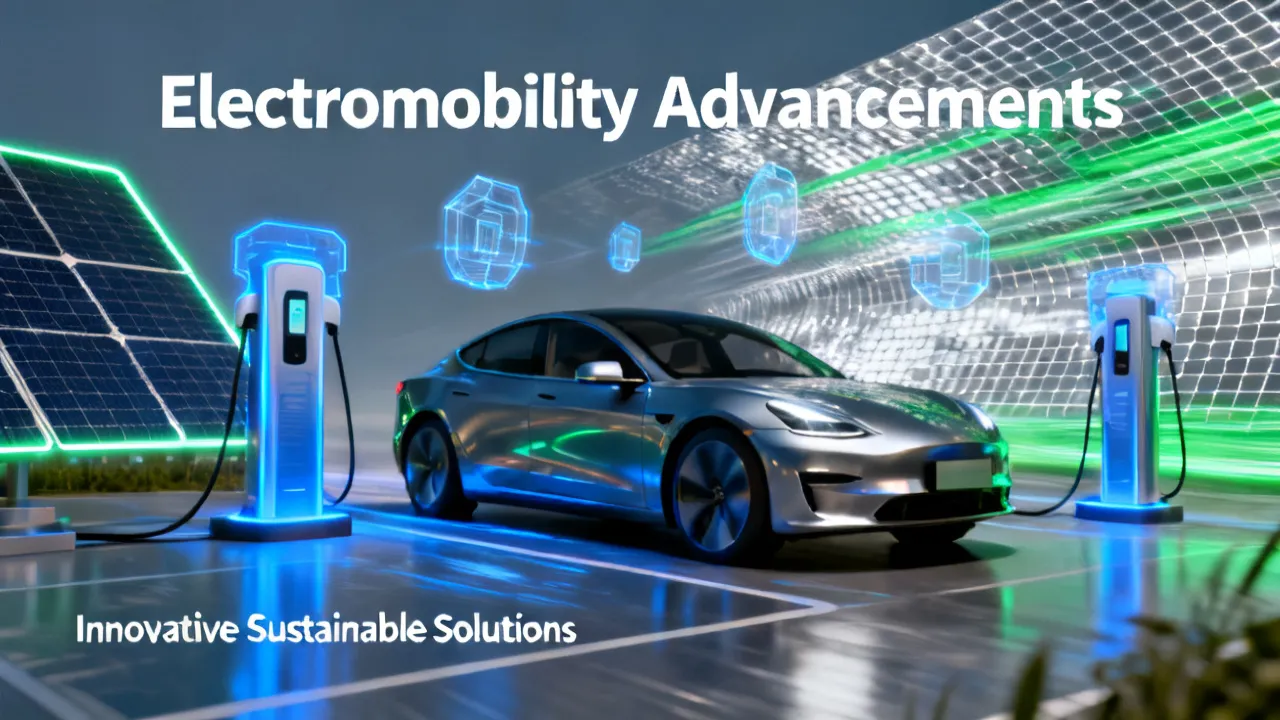
Understanding Electromobility Enhancements
Electromobility, as explored through Electromobility Wikipedia, represents the shift towards using electric power in transportation systems, featuring electric vehicles (EVs) and supporting infrastructure. The evolution of electromobility includes a focus on sustainability, technological progress, and its implications for the future of transport. This article delves into the nuances and significance of electromobility in today's world.
Understanding Electromobility Concepts
Electromobility refers to the use of electric-powered vehicles, which have become a cornerstone of modern transportation solutions. With its potential to significantly reduce carbon emissions and reliance on fossil fuels, electromobility is increasingly capturing public and policy interest. This article provides an in-depth analysis of electromobility, its impact on the transportation sector, and key considerations.
The Rise of Electromobility
Electromobility is transforming transportation by encouraging the shift from traditional vehicles to electrically powered ones. This shift is driven by growing environmental concerns and advancements in electric vehicle technology. Fundamentally linked with the information and resources available on Wikipedia, electromobility represents a pivot towards greener energy solutions in the transportation sector.
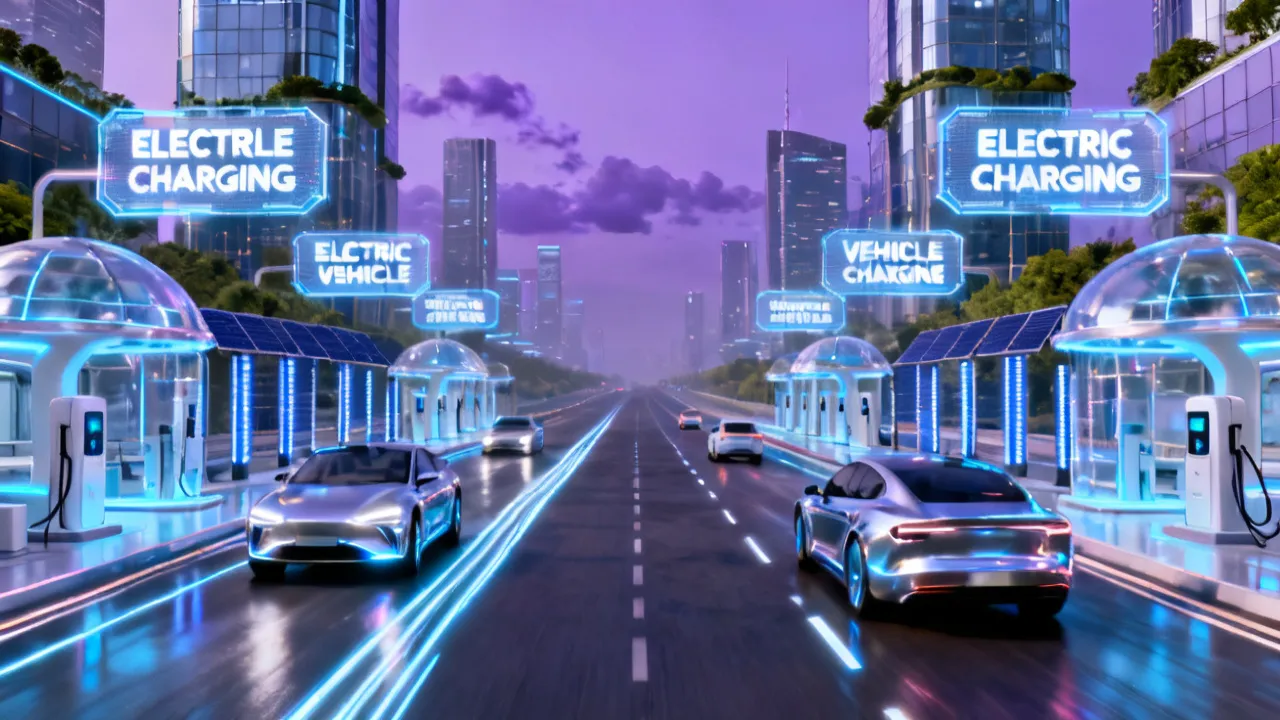
Understanding Electromobility's Impact
Electromobility Wikipedia offers a comprehensive examination of the shift from traditional transportation means to electric-powered solutions. As cities and industries worldwide embrace sustainable practices, electromobility emerges as a key player in reducing carbon emissions, fostering innovation, and redefining the future of transportation systems.
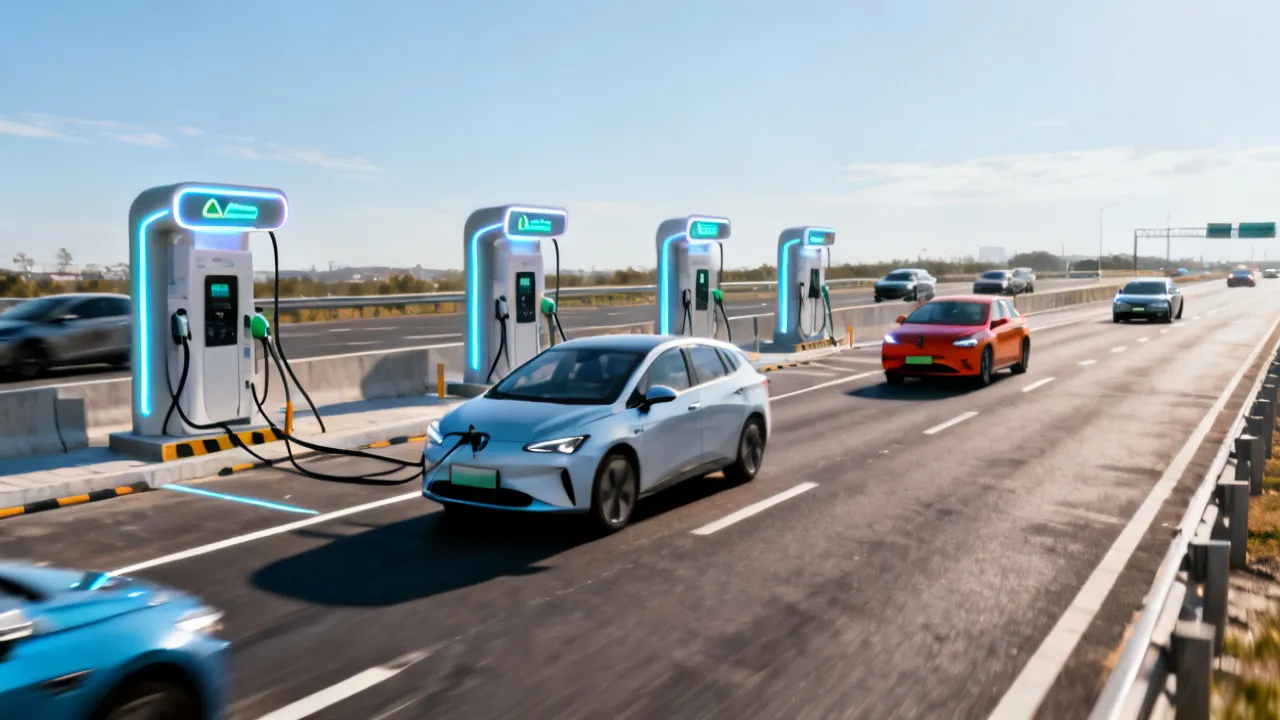
Unveiling Electromobility's Impact and Insights
Electromobility represents a transformative shift in transportation, emphasizing the use of electric vehicles (EVs) powered by electricity rather than traditional fossil fuels. As the demand for more sustainable modes of transport grows, electromobility has gained significant attention for its potential in reducing carbon footprints and advancing technological innovations in automotive industries globally.
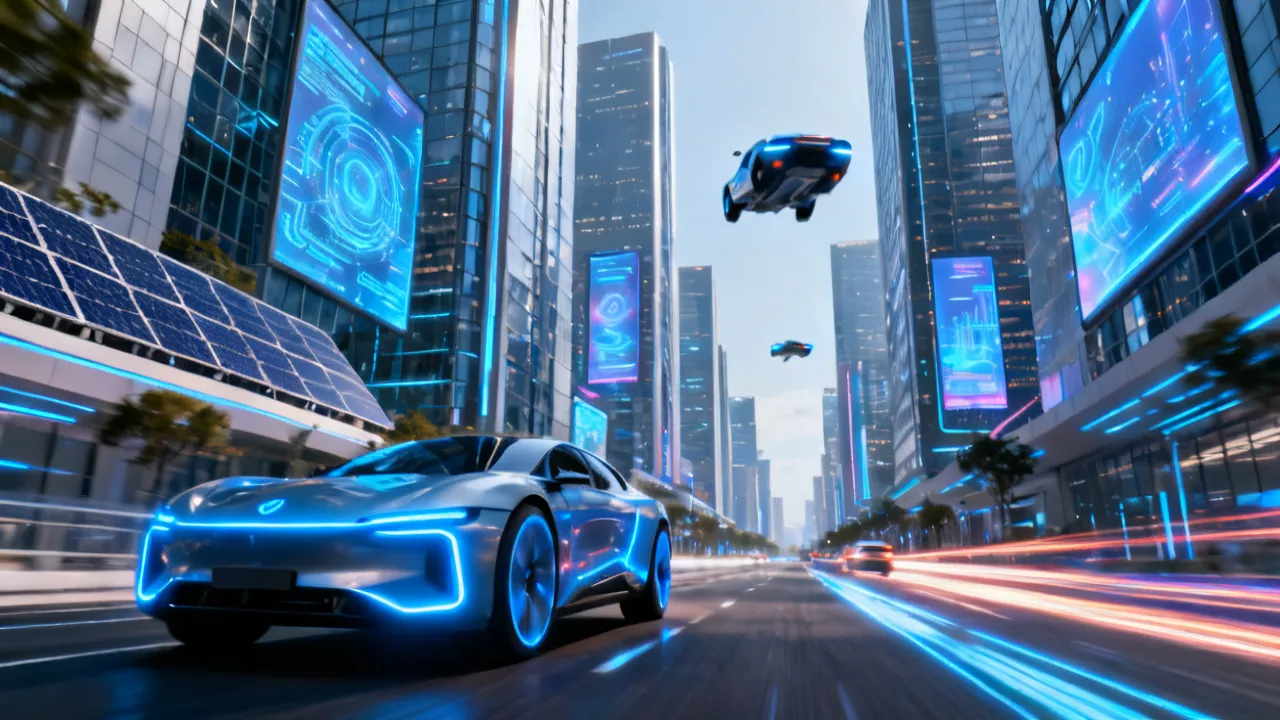
Understanding Electromobility: A Comprehensive Guide
This article delves into the world of electromobility, a salient trend in contemporary transportation aimed at reducing greenhouse gas emissions. Electromobility refers to the use of electric vehicles (EVs) and the associated infrastructure, explaining its rising significance. By exploring its features and challenges, this guide offers an in-depth understanding of electromobility’s potential impact on global travel dynamics.